

Salon hair treatments can make dry, frizzy, dull, or difficult-to-manage hair look smoother, shinier, and more polished. However, keratin smoothing, hair botox, nanoplasty, lamination, hair glazing, reconstruction treatments, and Japanese hair treatments are designed for different goals.
The most popular option is not always the right one for your hair.
Coloring, bleaching, frequent heat styling, sun exposure, and an unsuitable hair care routine can leave the hair feeling rough, brittle, or porous.
Some salon treatments focus mainly on straightening and frizz control, while others add shine or temporarily improve the look and feel of damaged lengths.
This guide compares seven popular salon hair treatments, including what each one does, who it may suit, what results you can expect, and what to consider before booking. These treatments cannot permanently repair damaged hair, but the right option can improve its appearance and make it easier to manage.
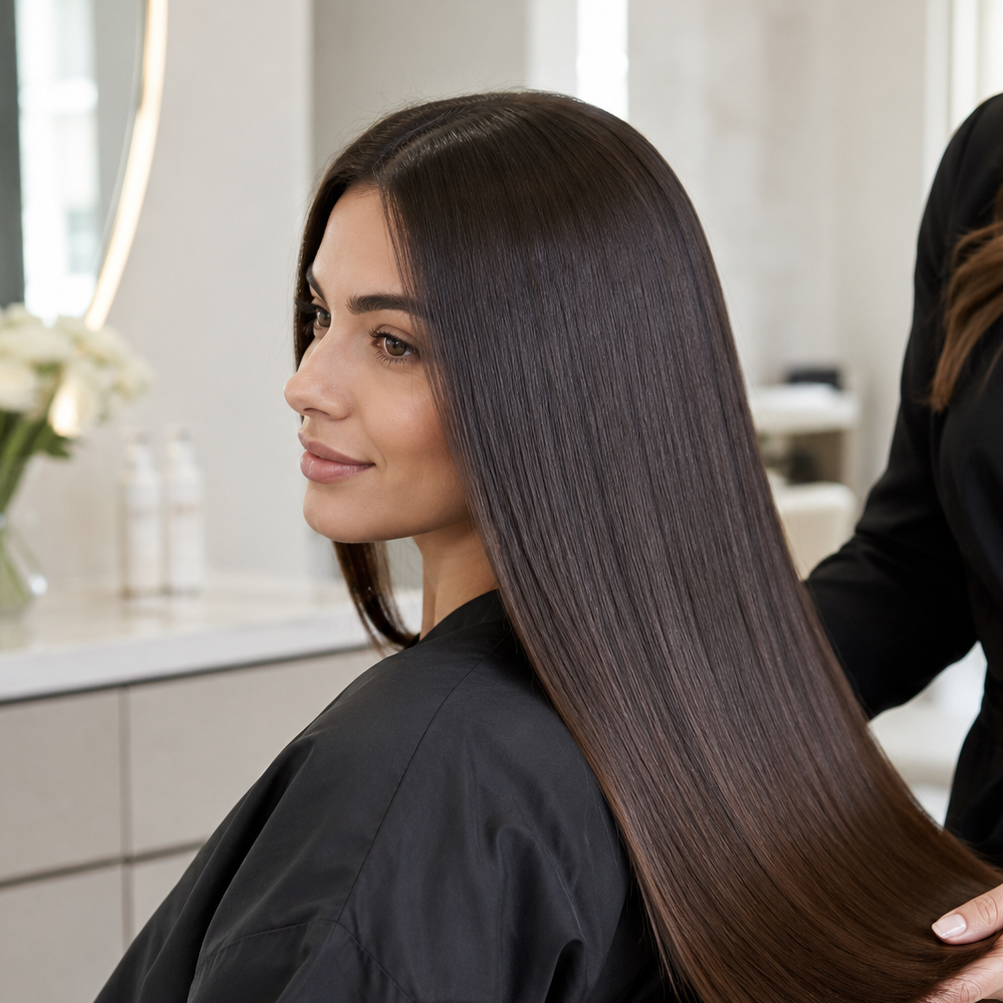
Among the most popular salon hair treatments are:
Keratin Treatment
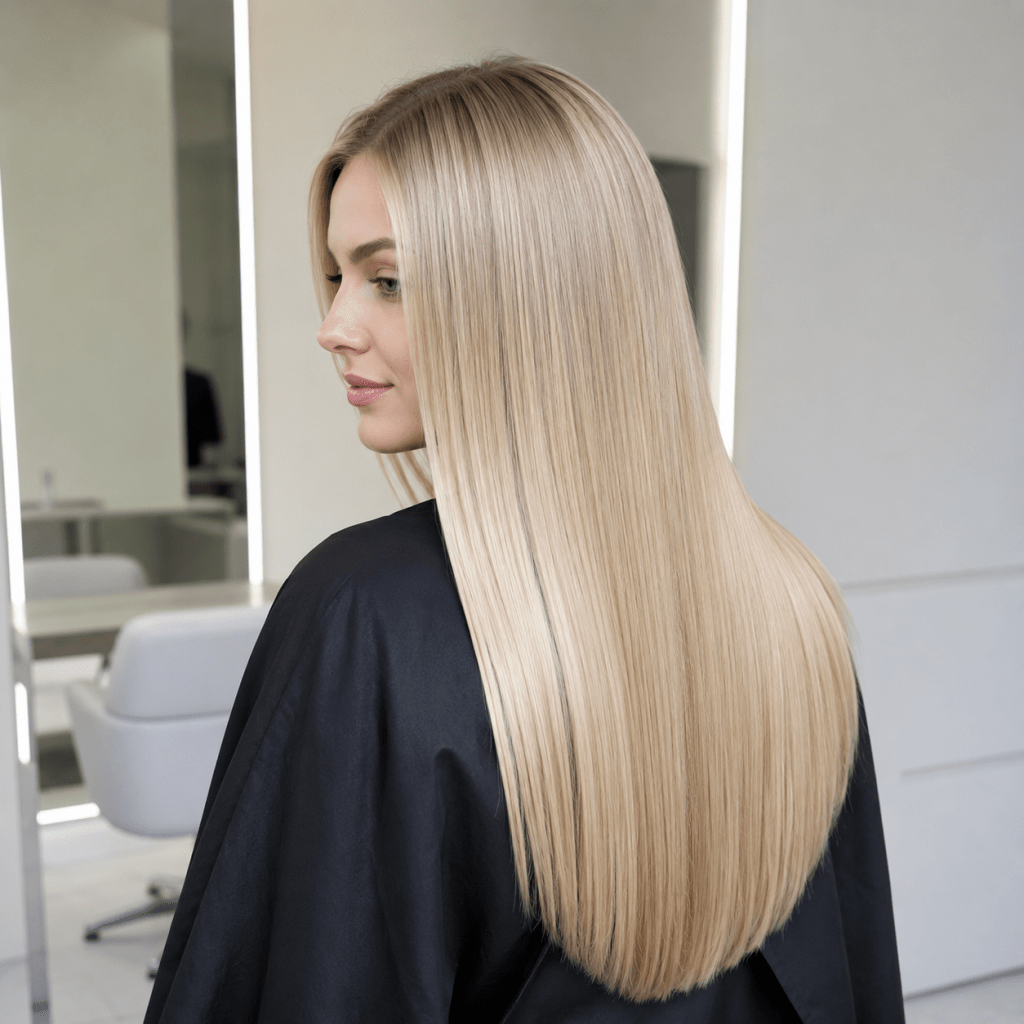
A keratin treatment is a salon smoothing service designed to make frizzy, porous, or wavy hair look straighter, shinier, and easier to manage. It is often chosen by people whose hair tangles easily, reacts strongly to humidity, or takes a long time to style after washing.
During the treatment, a smoothing formula is applied to the hair and usually sealed with heat from a flat iron. This creates a smoother-looking surface, reduces frizz, and can shorten daily styling time.
Despite its name, a keratin treatment does not permanently repair damaged hair. Its main effect is cosmetic and temporary. Depending on the formula, your hair type, and your aftercare routine, the results may last from several weeks to a few months.
Extra caution is important for fine, bleached, brittle, or severely damaged hair because repeated high heat and an unsuitable formula may make breakage worse. A stylist should assess the condition of your hair before recommending the treatment.
Some hair smoothing products may contain or release formaldehyde when heated. Before booking, ask the salon which product it uses, whether you can review the ingredient list or Safety Data Sheet, and how the space is ventilated. The FDA’s guidance on formaldehyde in hair smoothing products explains what consumers should check before choosing a treatment.
For a closer look at the procedure, possible risks, results, and aftercare, read our complete guide to keratin treatment.
Keratin Treatment: Before and After


Before-and-after photos can show the visible smoothing effect of a keratin treatment.
Frizzy, wavy, or uneven-looking hair may appear straighter, shinier, and more polished after the service.
However, the result depends on the original hair texture, its condition, the formula used, and the stylist’s technique.
Lighting, styling, and camera angles can also make the difference appear more dramatic. These photos should be treated as examples, not guaranteed results.
Hair Botox

Hair botox is a marketing name for an intensive conditioning or smoothing treatment. It does not contain botulinum toxin and does not involve injections.
The formula varies by brand, but it may contain proteins, amino acids, oils, silicones, and other conditioning ingredients. The product is applied to the hair lengths and may be sealed with heat, depending on the manufacturer’s instructions.
This treatment is often chosen for dry, dull, porous, or frizzy hair. It can make the hair feel softer, look shinier, and appear smoother and more polished.
The results are temporary. Hair botox cannot permanently repair damaged hair or heal split ends, although it can improve their appearance.
The final effect depends on the formula, the condition of the hair, and the stylist’s technique. Fine or low-porosity hair may feel heavy if the product is too rich.
Bleached or fragile hair also requires extra care when heat is used. Before booking, ask the stylist which product will be applied and whether the treatment includes flat ironing.
If you are considering this procedure, our detailed guide to hair botox explains how it works, what results to expect, and what to ask before booking.
Hair Botox: Before and After


Before-and-after photos can show how hair botox changes the appearance of dry, dull, or frizzy hair.
After the treatment, the hair may look smoother, shinier, and more polished. It may also feel softer and easier to manage.
The result depends on the original condition of the hair, the formula used, and whether heat was applied.
Lighting and styling can make the difference appear stronger in photos. These images show possible results, not a guaranteed outcome.
Nanoplasty Hair Treatment
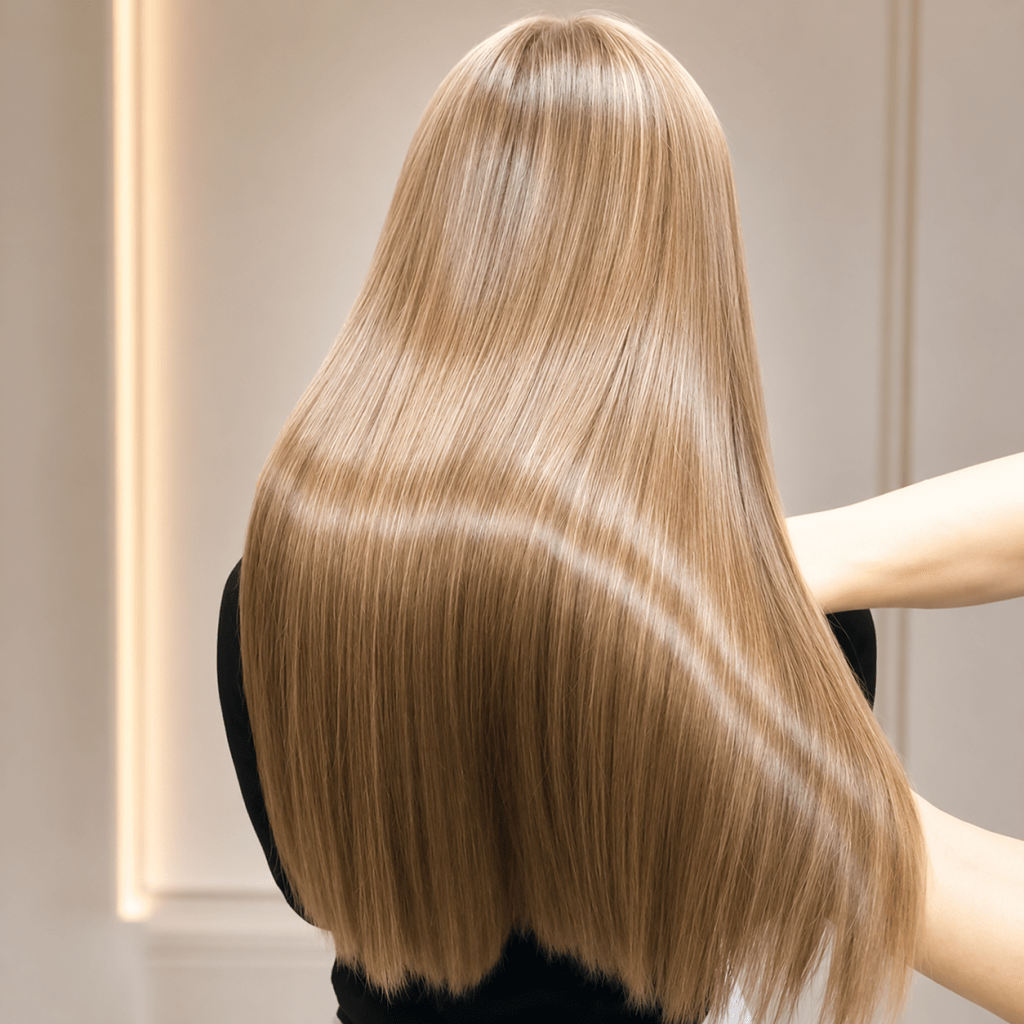
Nanoplasty is a salon smoothing treatment designed to make frizzy, porous, or wavy hair look straighter and more manageable.
The treatment formula is applied to the hair, followed by blow-drying and flat ironing. High heat helps create the smooth, straight finish associated with the procedure.
Nanoplasty formulas vary considerably between brands. They may contain acids, amino acids, proteins, oils, and conditioning ingredients, so the name of the treatment alone does not reveal what is actually in the product.
After the procedure, hair may look smoother, shinier, and less affected by humidity. The result is temporary and does not permanently repair damaged hair.
Nanoplasty may also change or slightly lighten the shade of color-treated hair. This possibility should be discussed with the stylist before the procedure.
Do not assume that a product is automatically safe simply because it is marketed as a modern or formaldehyde-free treatment. Ask the salon for the exact product name and ingredient list before booking.
Glyoxylic acid is used in some hair straightening products. The French Agency for Food, Environmental and Occupational Health and Safety has warned about the risk associated with glyoxylic acid in hair straightening products.
You can learn more about the formulas, straightening effect, possible risks, and aftercare in our complete guide to nanoplasty hair treatment.
Nanoplasty Hair Treatment: Before and After


Before-and-after photos can show the visible straightening and smoothing effect of a nanoplasty hair treatment.
Wavy, porous, or frizzy hair may appear straighter, shinier, and easier to manage after the procedure.
The final result depends on the original hair texture, its condition, the formula used, and the temperature of the flat iron.
Lighting and styling can also affect how dramatic the result looks in photos. These images show possible outcomes, not guaranteed results.
Hair Lamination

Hair lamination is a salon treatment designed to make the hair look smoother, shinier, and more polished without significantly changing its natural texture.
During the treatment, a coating formula is applied to the hair. It helps smooth the cuticle and creates a thin film around the hair shaft.
The result can make dull, porous, color-treated, or frizz-prone hair easier to detangle and more reflective. Fine hair may also appear slightly fuller.
Hair lamination does not deeply repair damaged hair. Its main effect is cosmetic and temporary.
The treatment may feel too heavy on very fine or low-porosity hair. Repeated use of rich coating formulas can also lead to buildup.
The result depends on the product, the original condition of the hair, and the aftercare routine. A gentle shampoo and regular conditioning can help maintain the smoother appearance.
Our complete guide to hair lamination explains how the treatment works, how long the effect may last, and which hair types may benefit from it.
Hair Lamination: Before and After


Before-and-after photos can show the visible shine and smoothing effect of hair lamination.
After the treatment, porous, dull, or frizzy hair may look smoother, more even, and more reflective.
The procedure does not permanently repair the hair or change its natural structure. Its main purpose is to create a temporary cosmetic finish.
Results vary depending on the hair’s porosity, condition, and the formula used. Lighting and styling can also make the shine appear more dramatic in photos.
Hair Glaze Treatment
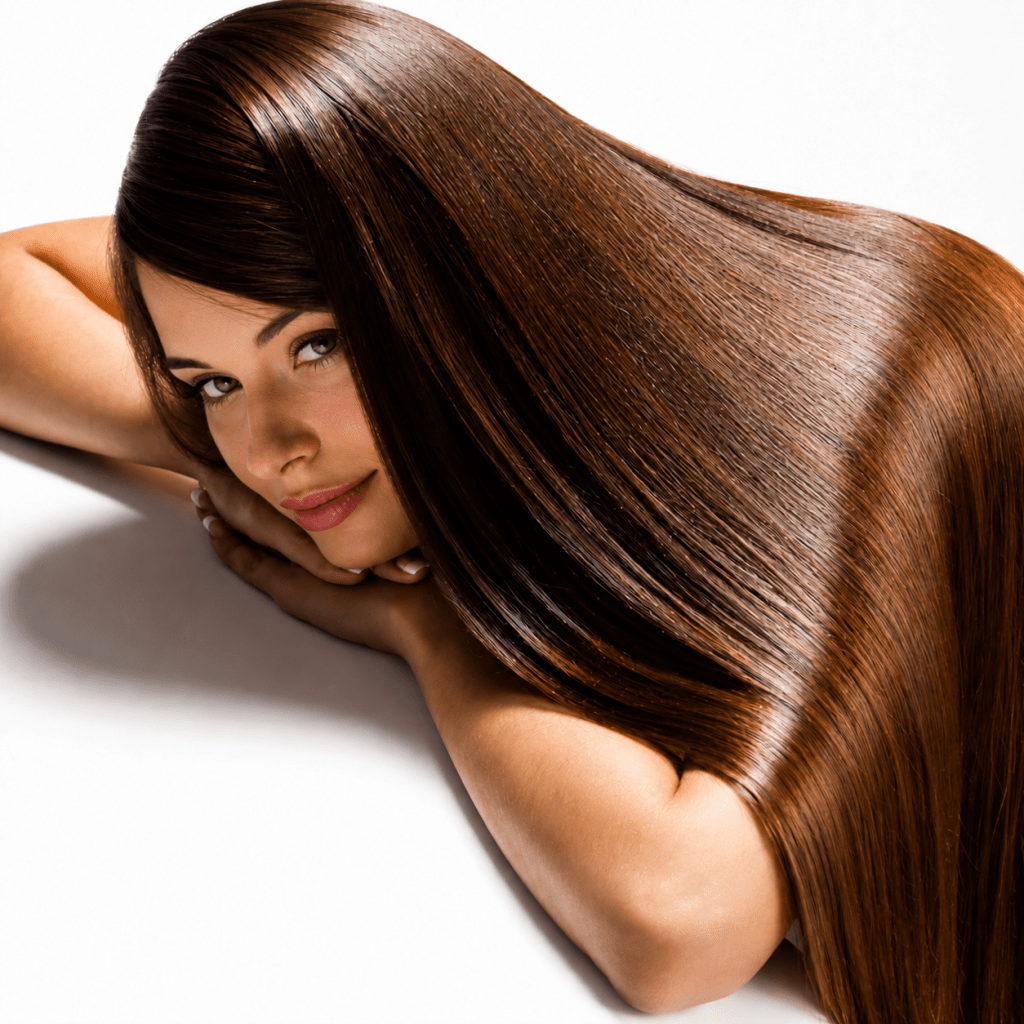
A hair glaze is a salon treatment that adds shine, smooths the hair’s surface, and can temporarily refresh its color.
The formula may be clear or tinted. A clear glaze enhances shine without changing the shade, while a tinted glaze can add tone and make faded color look richer.
Hair glazing is often chosen for dull, porous, dry, or color-treated hair. After the treatment, the hair may look smoother, shinier, and more polished.
The terms hair glaze and hair gloss are sometimes used interchangeably. Their formulas and lasting power can vary between brands and salons, so it is worth asking exactly which product will be used.
A hair glaze does not repair damaged hair from within. It creates a temporary cosmetic effect on the surface of the hair.
The result gradually fades with washing. Its duration depends on the formula, the condition of the hair, and the products used at home. To understand the difference between a clear and tinted glaze, read our detailed guide to hair glaze treatment.
Hair Glaze: Before and After


Before-and-after photos can show the visible shine and smoother finish created by a hair glaze.
Dull, porous, or color-treated hair may look more polished and reflective after the treatment. A tinted glaze may also make the color appear richer.
The result is temporary and does not mean that damaged hair has been permanently repaired.
The final effect depends on the formula, the original condition of the hair, and how the hair is styled and photographed.
Hair Reconstruction Treatment
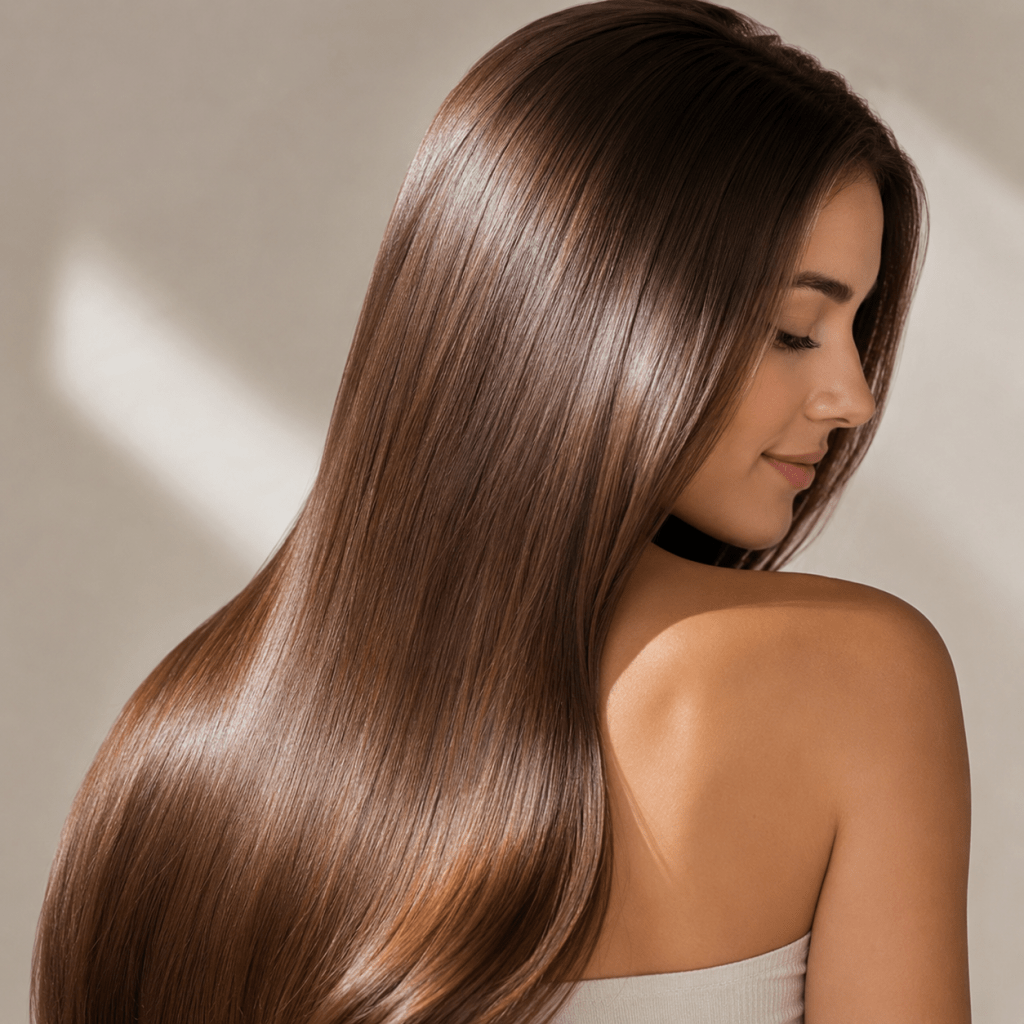
A hair reconstruction treatment is an intensive salon service for dry, porous, brittle, or chemically damaged hair.
It is often chosen after bleaching, coloring, chemical processing, or frequent use of hot styling tools.
The formula may contain proteins, amino acids, lipids, oils, and conditioning ingredients. The exact combination and treatment method vary between brands.
After the service, the hair may feel smoother, stronger, and easier to detangle. It may also look shinier and less frizzy.
Despite the name, hair reconstruction cannot permanently rebuild damaged hair. The visible and sensory improvements are temporary and require supportive care at home.
A protein-rich formula may leave some hair feeling stiff or dry if it is used too often. Fine, fragile, or heavily bleached hair should be assessed before the treatment.
The best option depends on what the hair is missing and how it responds to protein, moisture, and coating ingredients.
If your hair feels dry, brittle, or damaged after bleaching, our guide to hair reconstruction treatment will help you understand what this procedure can and cannot do.
Hair Reconstruction: Before and After


Before-and-after photos can show how a reconstruction treatment changes the appearance of dry, porous, or damaged-looking hair.
After the treatment, the hair may look smoother, shinier, and more polished. It may also feel easier to detangle and style.
The procedure does not permanently restore the original structure of damaged hair.
Results depend on the formula, the level of damage, and the hair’s response to proteins and conditioning ingredients. Lighting and styling can also influence how dramatic the result appears.
Japanese Hair Treatment

A Japanese hair treatment is a multi-step salon service designed to improve the look and feel of dry, porous, dull, or damaged hair.
Some salons offer this type of service under names such as Absolute Happiness for Hair. The exact products and number of steps depend on the professional system being used.
Several formulas are applied in sequence to the hair. They may include moisturizing, conditioning, protein, lipid, and cuticle-smoothing ingredients.
After the treatment, the hair may feel softer, smoother, and easier to detangle. It may also look shinier and less frizzy.
Unlike keratin smoothing or nanoplasty, this treatment is not primarily intended to straighten the hair or permanently change its natural texture.
The effect is temporary and does not permanently repair damaged hair. Severely damaged hair may require ongoing care rather than a single salon appointment.
Before booking, ask which product line the salon uses and what each step is intended to do. This is especially important if you have a sensitive scalp or known fragrance allergies.
For more details about the steps, expected results, and aftercare, read our complete guide to Japanese hair treatment.
Japanese Hair Treatment: Before and After


Before-and-after photos can show how a Japanese hair treatment changes the appearance of dry, porous, or damaged-looking hair.
After the treatment, the hair may look smoother, shinier, and less frizzy. It may also feel softer and easier to detangle.
The procedure is not intended to permanently straighten the hair or change its natural texture.
Results depend on the professional system used, the condition of the hair, and the aftercare routine. The photos show possible results, not a guaranteed outcome.
How to Choose the Right Salon Hair Treatment
The right salon hair treatment depends on your hair’s current condition, natural texture, and the result you want to achieve.
If your main goal is straighter hair and less frizz, you may consider a keratin treatment or nanoplasty.
For extra shine and a smoother-looking surface without significant straightening, hair lamination or a hair glaze may be more suitable.
Hair botox, reconstruction treatments, and Japanese hair treatments focus more on conditioning and improving the appearance of dry or damaged-looking lengths.
Do not choose a treatment based only on its name or popularity. Formulas can vary significantly between brands and salons.
Before booking, ask for the exact product name, ingredient list, amount of heat used, expected effect on your hair color, and recommended aftercare.
No salon procedure can permanently heal damaged hair. The best result comes from combining a carefully chosen treatment with gentle cleansing, regular conditioning, heat protection, and minimal unnecessary damage.
Questions and Answers About Salon Hair Treatments
Should I wash my hair before a salon treatment?
Preparation depends on the product and procedure. Ask the salon in advance whether you should arrive with freshly washed hair, and avoid applying heavy oils or styling products unless instructed otherwise.
What should I tell my stylist before the appointment?
Mention recent bleaching, coloring, perms, relaxers, previous smoothing treatments, scalp sensitivity, and any reactions you have had to salon products.
What should I ask before the product is applied?
Ask for the exact product name, ingredient list, expected processing time, and whether a flat iron will be used. You can also ask whether the treatment may affect your current hair color.
What should I do if my eyes or throat start burning during the treatment?
Tell the stylist immediately and stop the procedure if necessary. Burning eyes, coughing, dizziness, or difficulty breathing should not be treated as a normal part of a salon service.
How can I make the result last longer?
Follow the aftercare instructions for the specific product. Gentle washing, fewer unnecessary shampoos, regular conditioning, and reduced heat exposure may help preserve the result.
What if I do not like the result?
Do not immediately add another chemical treatment in an attempt to correct it. Contact the salon, explain the problem, and ask what can be safely adjusted after the hair has been assessed.
When should I postpone a salon hair treatment?
Postpone the appointment if your scalp is irritated, inflamed, scratched, or unusually sensitive. It is also sensible to wait if the hair is breaking heavily after recent bleaching or another chemical service.