
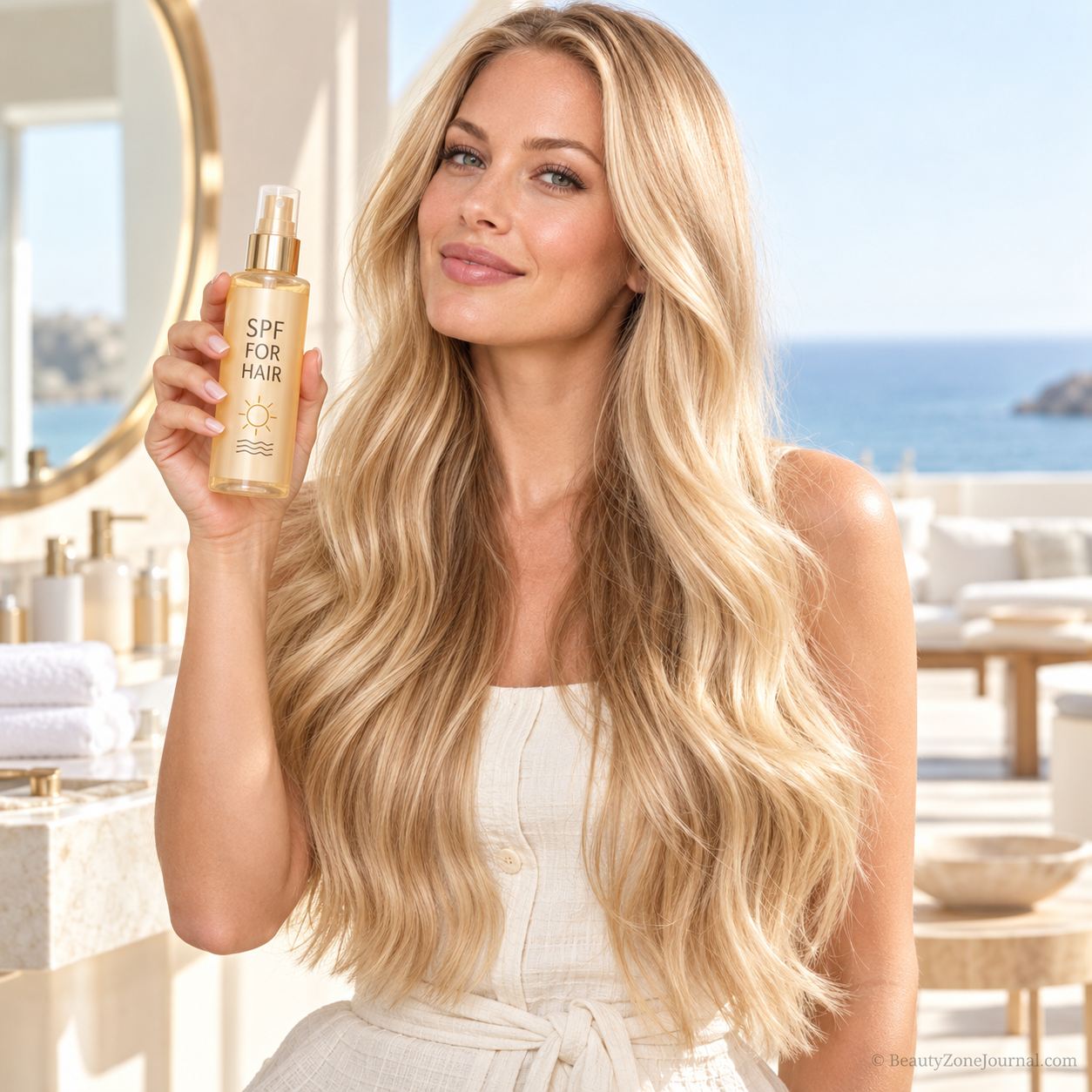
SPF for hair is often treated as a summer-only product, but sun exposure can affect your hair well beyond a day at the beach.
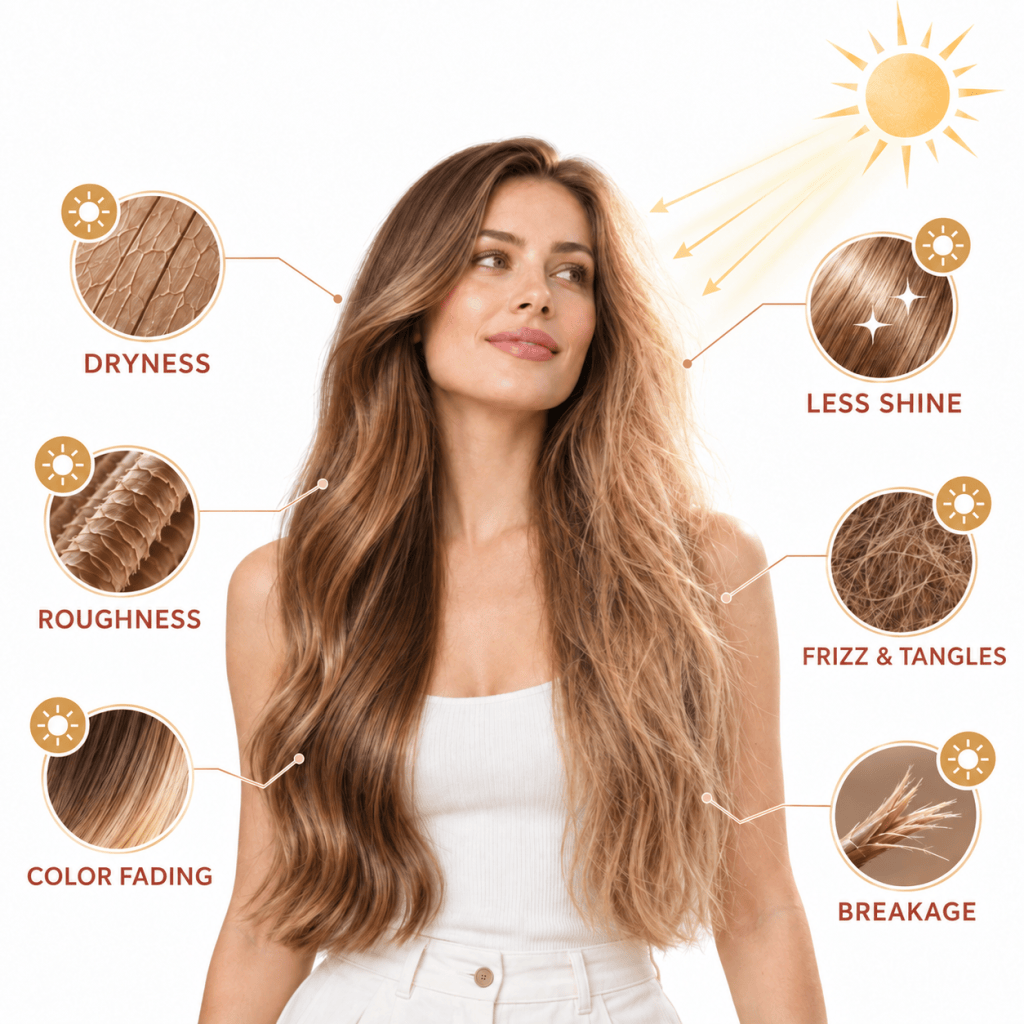
Unlike skin, hair itself cannot sunburn. However, prolonged UV exposure can contribute to dryness, roughness, breakage, loss of shine, and color fading – especially if your hair is dyed, bleached, porous, or already damaged.
We usually remember to apply sunscreen to our face, shoulders, and chest, while leaving our hair and exposed areas of the scalp unprotected.
Salt water, chlorine, wind, frequent washing, and hot styling tools can add even more stress. That is why your usual shampoo and mask may not always be enough during the summer.
In this article, we will explain what “SPF for hair” really means, how UV-protective hair products work, who may benefit from them most, and how to use them without weighing down the hair.
Table of Contents

What Is SPF for Hair, and Do You Really Need It?
When we hear the word SPF, we usually think of sunscreen, summer, and days at the beach. But our hair is also regularly exposed to sunlight, wind, dry air, salt water, chlorine, and high temperatures.
Hair cannot sunburn like skin, but prolonged UV exposure can still affect its color, texture, and appearance.
“SPF for hair” is an informal name for products designed to help protect the hair from UV exposure. These are usually sprays, leave-in creams, fluids, lightweight lotions, or oils containing UV filters and conditioning ingredients.
The FDA explains that SPF measures how well a sunscreen protects skin from sunburn. Hair products are not rated in exactly the same way, so look for terms such as “UV protection,” “UV filter,” “sun care,” or “color protection” on the label.
These products can coat the hair with a light protective layer and help reduce dryness, roughness, fading, and loss of shine. However, the level of protection can vary between formulas, so no product should be treated as a complete shield from the sun.
UV-protective hair care may be especially useful if your hair is:
- dyed or bleached;
- dry or brittle;
- fine or porous;
- already damaged;
- frequently exposed to strong sunlight.
It may also be helpful during a beach vacation, in the mountains, or whenever you spend long hours outdoors.
Sun protection does not replace conditioner, masks, leave-in care, or heat protectant. It is simply an extra step that can help keep the hair smoother, softer, and more polished during sunny weather.
Remember that the scalp is skin. If your part or hairline is exposed, protect it with a suitable broad-spectrum sunscreen or cover it with a hat. A UV-protective hair spray should not be used as a substitute for skin sunscreen unless its label specifically says it is suitable for the scalp.
Sun damage is not always noticeable right away. What begins as a little dryness or fading can gradually turn into roughness, breakage, and split ends.
How Does the Sun Affect Your Hair?
Sunshine may feel wonderful on your skin, but it is not always as kind to your hair.
Unlike skin, the hair shaft does not become red or start to burn. This makes sun-related changes easy to overlook until the hair begins to feel noticeably different.
Over time, UV exposure can affect the proteins and pigments within the hair. The strands may gradually become:
- drier and rougher;
- more prone to tangling and frizz;
- less flexible and easier to break;
- duller and less reflective;
- more faded in color.
These changes are often more noticeable after a summer vacation or long periods outdoors. The ends may feel coarse, the hair may become harder to comb, and its usual shine can begin to disappear.
Dyed, bleached, and already damaged hair tends to show these changes more quickly. Blonde shades may become warmer or more yellow, while brunette and red tones can lose depth and vibrancy.
The exposed scalp also needs attention. The part, hairline, and temples are skin, so they can become sunburned, dry, itchy, or flaky after prolonged exposure.
A hat and a suitable sunscreen for exposed areas of the scalp provide more reliable protection than a hair product alone.
Protecting your hair from the sun is not an unnecessary extra step. It can help preserve softness, shine, color, and a more polished appearance throughout the summer.
Why Color-Treated Hair Needs Extra Sun Protection
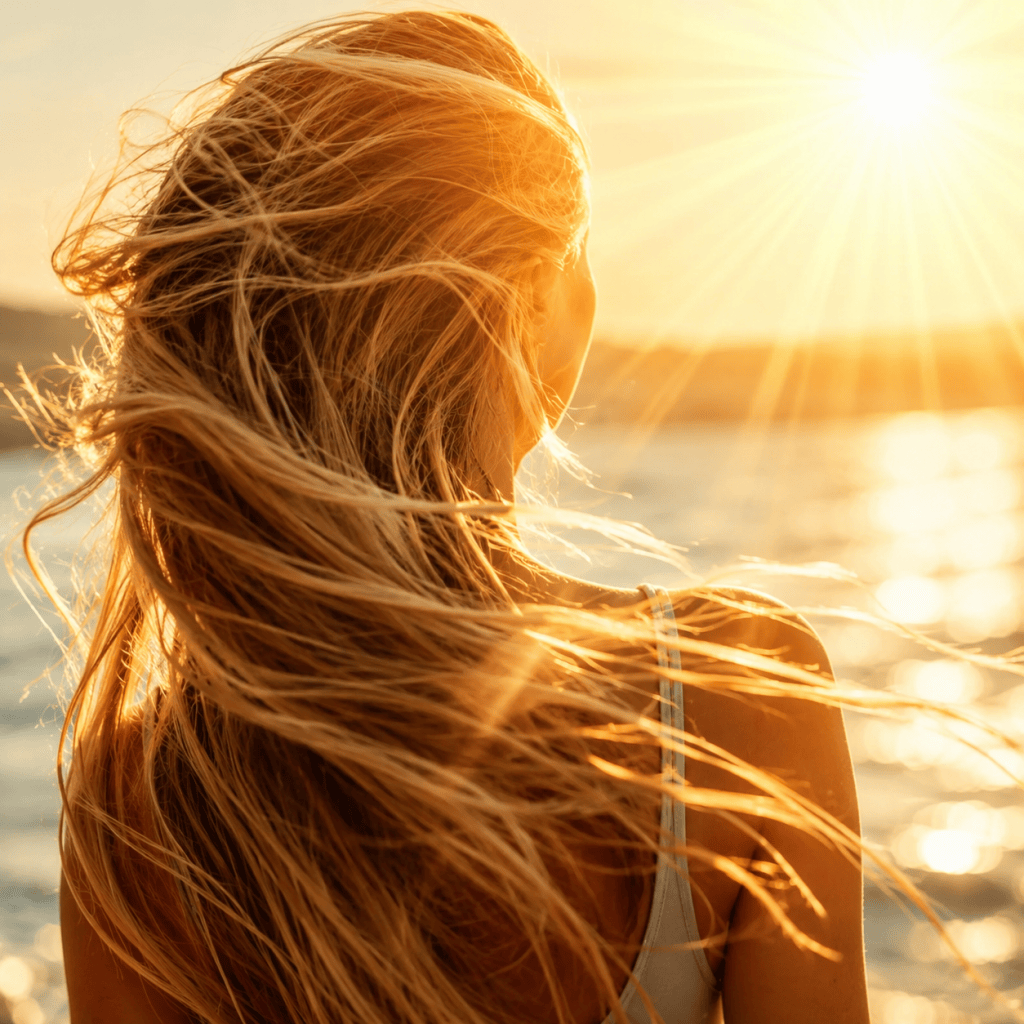
Color-treated hair can be more vulnerable to sun-related changes, especially if it has been bleached, lightened, or repeatedly processed.
Coloring can leave the cuticle more raised and the hair more porous. As a result, strands may lose moisture more easily, while artificial pigments gradually fade.
UV exposure can make the color look duller, warmer, or uneven. Blonde hair may develop a yellow tone, red and copper shades can lose vibrancy, and brunette colors may appear flatter and less glossy.
If your color has already started to look dull, a hair glaze treatment may help refresh its shine and tone between full coloring appointments.
Bleached, toned, and porous hair may also become rougher, tangle more easily, and feel drier at the ends.
A leave-in product labeled “UV protection” or “color protection” can be a useful extra step. It will not prevent fading completely or replace conditioner, masks, and leave-in care, but it may help keep the hair smoother and protect its polished appearance.
For better protection, combine UV-protective hair care with a hat, gentle cleansing, regular conditioning, and rinsing your hair after swimming.
Color-treated hair needs more than a good shampoo and mask. Protecting it from strong sunlight can help the shade look richer and fresher for longer.
What Types of UV-Protective Hair Products Are Available?
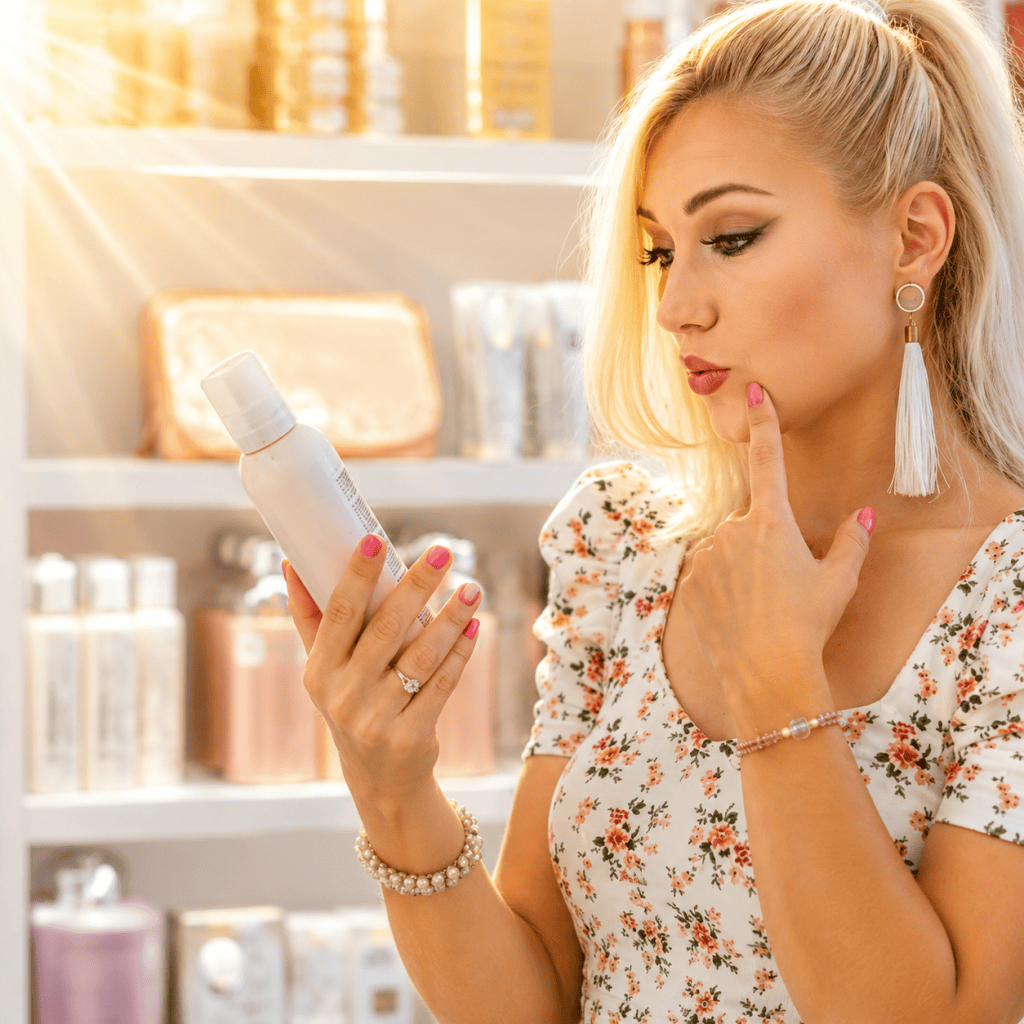
Sun protection for hair is not limited to one specific product. It includes sprays, leave-in creams, fluids, oils, and rinse-off products designed for different hair types and needs.
UV-protective hair sprays
Sprays are one of the most convenient options. They are easy to distribute through the lengths before going outside, visiting the beach, or spending several hours in the sun.
Many formulas also contain conditioning ingredients that help reduce tangles, dryness, and frizz without making the hair feel heavy.
Leave-in creams and fluids
These products are often better suited to dry, porous, bleached, or color-treated hair. They coat the strands, improve softness, and help protect dry ends.
Apply only a small amount, especially if your hair is fine or becomes weighed down easily.
Hair oils with UV protection
Hair oils can smooth frizz, add shine, and make dry ends look more polished. However, an ordinary hair oil does not automatically provide UV protection. Check the label for terms such as “UV protection” or “UV filter.”
A few drops are usually enough. Applying too much can leave the hair looking greasy or heavy.
Shampoos, conditioners, and masks with UV filters
These products can complement your summer routine, especially after swimming or spending a long day outside. However, rinse-off products do not remain on the hair for long, so they should not be treated as a replacement for leave-in protection.
If you are unsure which product your hair needs, our guide to hair mask vs. conditioner explains the difference and when to use each one.
Color-protecting products
Products labeled “color protection,” “UV protection,” or “sun care” may help slow visible fading and preserve shine. They can be particularly useful for blonde, red, copper, brunette, and other color-treated shades.
Sun-care collections for the beach
Some brands offer complete collections with a protective spray, cleansing shampoo, conditioner, and mask. You do not need the entire collection, but it can be convenient if your hair becomes dry, tangled, or rough after swimming.
Hats and scarves
A wide-brimmed hat, cap, scarf, or other head covering can protect both the hair and exposed areas of the scalp. This is especially useful when the sun is strong or you plan to stay outside for several hours.
For more complete protection, combine a lightweight UV-protective product with a hat. You can also apply a small amount of leave-in cream or oil to dry ends if needed.
How to Use SPF for Hair Correctly

UV protection works best when it becomes a regular part of your summer hair care routine, especially on days when you plan to spend several hours outside.
Checking the UV Index in your weather app can help you decide when extra protection, such as a hat, is particularly important.
Follow the product instructions
Some formulas are designed for dry hair, while others can be applied to damp hair. Check the label before use and follow the recommended amount.
Apply before sun exposure
Distribute the product through the lengths and ends before going outside. Pay particular attention to the top layer, strands around your face, and the ends, as these areas receive more direct exposure and may become dry or faded more quickly.
Distribute it evenly
Do not spray the product repeatedly in one spot. Hold the bottle at the distance recommended on the label, apply it evenly, and then use your fingers or a comb to distribute it through the hair.
Add extra care to dry ends
Dry, bleached, porous, or color-treated hair may need more than a lightweight spray. Apply a small amount of leave-in cream, fluid, or oil to the ends if they still feel rough or dry.
Start with a small amount. You can always add more, but applying too much at once may make the hair look heavy or greasy.
Protect exposed areas of the scalp
A hair product is not a substitute for sunscreen on the skin. If your part or hairline is exposed, use a suitable broad-spectrum sunscreen or wear a hat, scarf, or cap.
Reapply only as directed
Hair products do not share one universal reapplication schedule. Follow the directions on the label, particularly after swimming, washing your hair, or spending a long time outdoors.
Cleanse and condition after a day outside
Wash away product residue, salt, chlorine, and sweat with a gentle shampoo. Follow with conditioner or a mask to restore softness and make the hair easier to detangle.
SPF for hair should not make your routine complicated. Choose a format that suits your hair, apply it evenly before sun exposure, and combine it with a hat when the sun is strong.
How to Protect Your Hair at the Beach

A beach vacation exposes your hair to more than sunlight. Salt water, chlorine, wind, heat, and frequent washing can all leave the strands feeling dry, rough, tangled, or difficult to manage.
A few simple steps can help reduce this stress without turning your vacation routine into a long list of products.
Apply UV protection before going outside
Before heading to the beach, apply a UV-protective spray, fluid, or lightweight leave-in product through the lengths and ends.
Pay extra attention to the top layer of your hair, the strands around your face, and the ends. These areas are often exposed to the most sunlight.
Wet your hair before swimming
Rinse your hair with fresh water before entering the sea or pool. Hair that is already wet may absorb less salt water or chlorinated water.
After swimming, rinse it again as soon as possible to remove salt, chlorine, and sand.
Wear a hat
A wide-brimmed hat offers useful protection for the hair, part, hairline, and scalp. It is especially helpful when the sun is strong or you are spending several hours outside.
Be gentle with wet hair
Wet hair is more fragile and easier to stretch or break. Avoid rubbing it roughly with a towel, brushing it aggressively, or pulling it into a very tight hairstyle immediately after swimming.
Use a wide-tooth comb and begin detangling from the ends.
Condition your hair in the evening
Wash away salt, chlorine, sand, and product residue with a gentle shampoo. Follow with conditioner or a nourishing mask to restore softness and make detangling easier.
If the ends still feel dry, apply a small amount of leave-in cream, fluid, or hair oil.
Reduce unnecessary heat styling
When possible, give your hair a break from straighteners and curling irons.
If you use a hair dryer or another hot tool, apply a heat protectant for hair and choose a moderate temperature.
Protecting your hair at the beach does not require ten different products. UV protection, fresh-water rinsing, gentle detangling, conditioning, and a hat can make a noticeable difference.
Common Sun Care Mistakes That Can Damage Your Hair
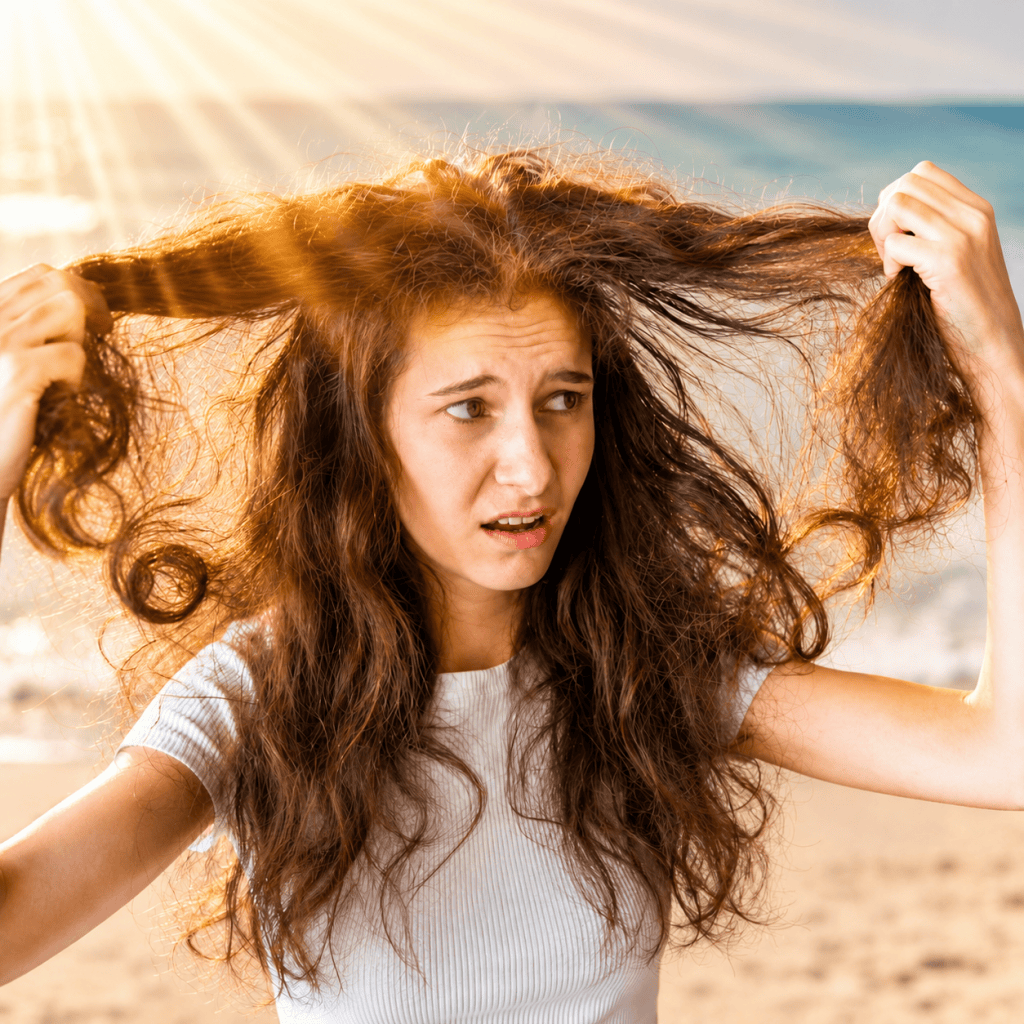
Sun, salt water, chlorine, wind, frequent washing, and hot styling can gradually leave hair feeling drier, rougher, and more fragile. Small habits can make these changes even more noticeable.
Assuming only your skin needs protection
Hair cannot sunburn, but UV exposure can affect its proteins, pigments, texture, and shine. Color-treated, bleached, porous, and already damaged hair may show these changes more quickly.
Leaving salt or chlorine in your hair
Allowing sea water or pool water to dry repeatedly on the hair can contribute to stiffness, tangles, dryness, and color changes.
If you cannot wash your hair immediately, rinse it thoroughly with fresh water and apply a lightweight leave-in conditioner.
Handling wet hair roughly
Going outside with wet hair is not automatically harmful. The real problem is that wet strands are more fragile and easier to stretch or break.
Avoid aggressive brushing, rough towel drying, and tight hairstyles, especially after swimming.
Skipping a hat
A hat, scarf, or cap provides physical protection for the hair and exposed areas of the scalp. It is particularly useful during long periods outdoors or when the UV Index is high.
Using hot tools without protection
Strong sunlight is not the same as using a straightener or curling iron. However, frequent heat styling can add more stress to hair that already feels dry from summer conditions.
Use a heat protectant, choose a moderate temperature, and reduce unnecessary styling when possible.
Relying on hair oil alone
Oil can smooth the ends and add shine, but it does not automatically protect against UV exposure. Choose a product that specifically states “UV protection” on the label.
Waiting until the damage becomes obvious
UV-protective care is most useful as a preventive step. Begin using it before your hair becomes noticeably rough, faded, or brittle.
If your hair still feels severely dry or fragile after summer, our guide to popular salon hair treatments can help you understand what different professional procedures can and cannot do.
Consistent protection is usually simpler than trying to restore softness, shine, and manageability after weeks of intense sun exposure.
The Bottom Line

SPF for hair is not a magic shield, but it can be a useful part of your summer routine.
A UV-protective leave-in product may help reduce dryness, roughness, fading, and loss of shine. For more reliable protection, combine it with a hat, fresh-water rinsing after swimming, gentle detangling, and regular conditioning.
Color-treated, bleached, porous, and already damaged hair may need extra attention, but the routine does not have to be complicated.
Choose a product that suits your hair type, follow the instructions on the label, and protect exposed areas of your scalp with sunscreen or a hat.
The best time to begin is before your hair starts to feel dry, brittle, or difficult to manage. A few consistent habits can help it stay softer, shinier, and healthier-looking throughout the summer.
Questions and Answers
Is SPF for hair the same as sunscreen for skin?
No. SPF is a standardized rating for skin sunscreen. Hair products may offer UV protection, but they are not rated in the same way.
Which is better for sun protection, a spray or an oil?
The format matters less than the label. Choose a product that specifically claims UV protection. An ordinary oil may add shine and softness without protecting against UV exposure.
How often should I reapply a UV-protective hair product?
Follow the instructions provided by the manufacturer. Reapplication may be needed after swimming, rinsing your hair, or spending a long time outdoors.
Can a hair product protect my scalp from sunburn?
Do not rely on it unless the label specifically says it is suitable for the scalp. Use broad-spectrum sunscreen on exposed skin or wear a hat.
Do I need UV protection for my hair in the city?
It may be useful if you spend a long time outdoors, particularly when the UV Index is high. A beach is not the only place where hair is exposed to sunlight.
Can SPF for hair repair dry or damaged strands?
No. It is mainly a preventive product. Conditioning ingredients may improve softness and manageability, but they cannot reverse structural damage.