
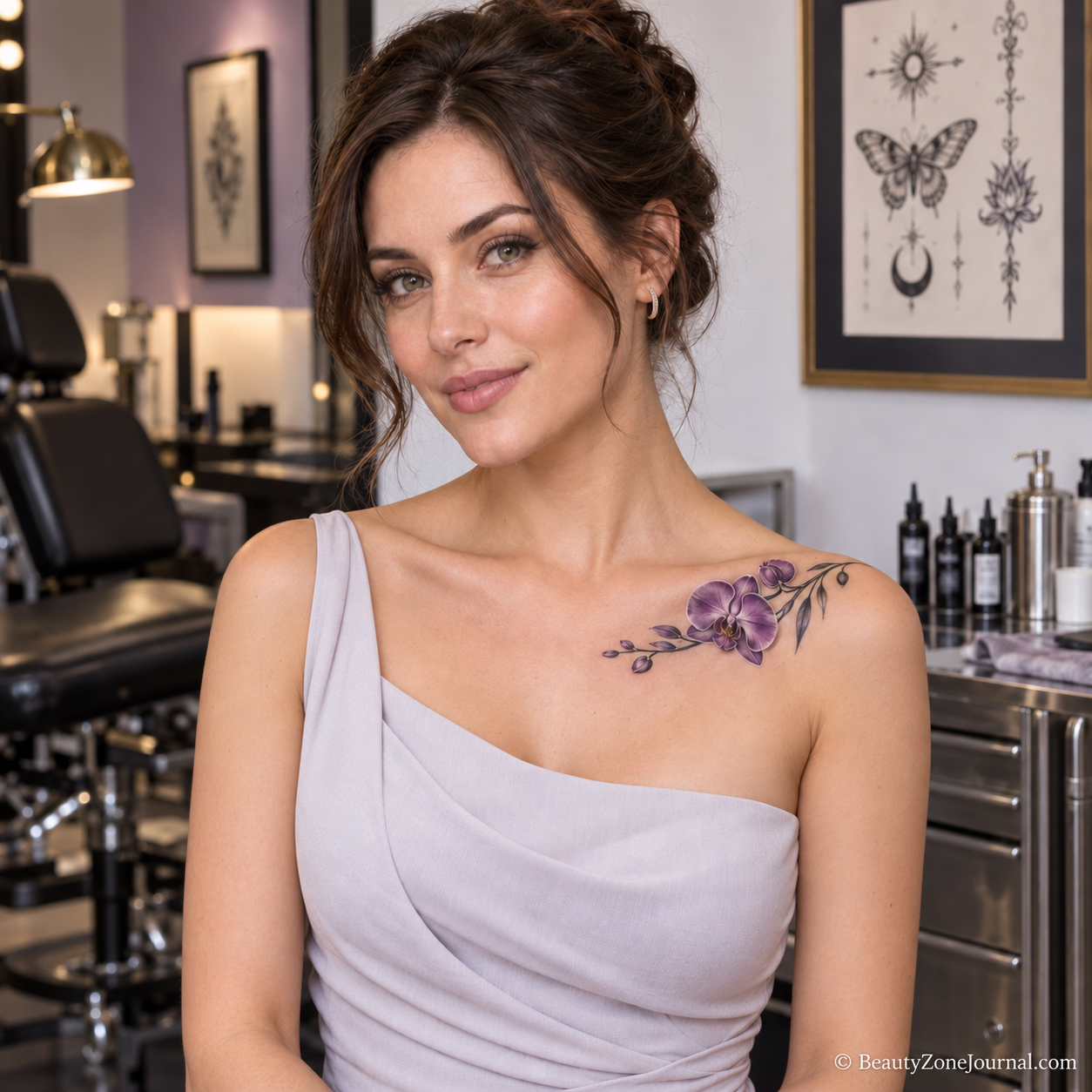
Flower tattoos for women remain popular for more than their beauty. A floral design can reflect someone’s personality, honor an important person, symbolize change, or simply appeal because of its shape.
Some women choose a delicate sprig on the wrist, while others prefer a large bouquet on the thigh, back, or shoulder.
However, flower meanings should not be treated as strict rules. Symbolism can vary across cultures and may also depend on the color, composition, and personal story behind the design.
Ultimately, the best tattoo is one that feels meaningful to you.
Table of Contents
What Do Flower Tattoos for Women Mean?
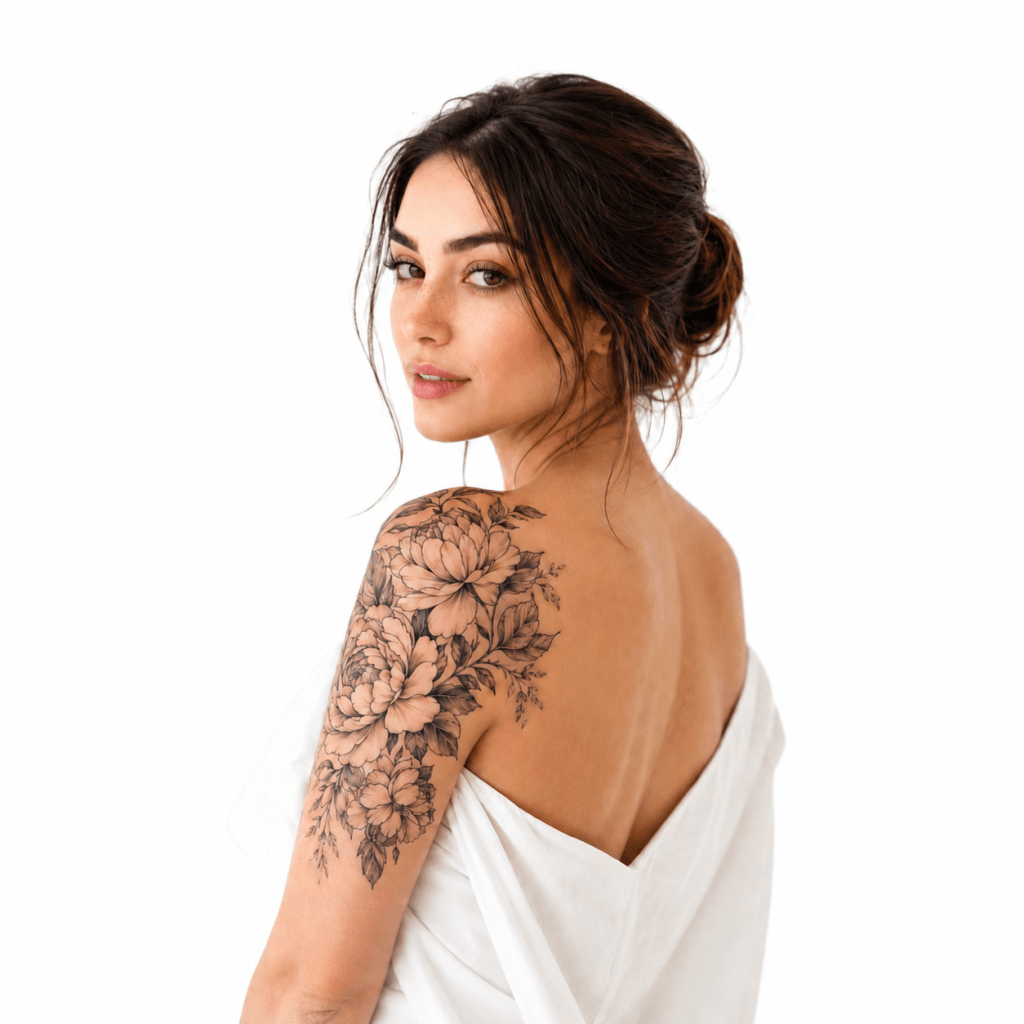
Flower tattoos are often associated with beauty, femininity, life, inner strength, and renewal. However, their meaning largely depends on the specific flower.
The same flower can look and feel completely different depending on the design. A fine outline creates a light and delicate effect, while a realistic color composition attracts more attention.
Adding a snake, butterfly, bird, moon, or meaningful words can also change the overall message of the tattoo.
Popular Flower Tattoo Ideas and Their Meanings
Each flower can bring a different mood and personal meaning to a tattoo. Some are associated with love and femininity, while others may represent resilience, renewal, freedom, or an important memory.
Color, size, style, and placement can also change how a floral design is perceived. The following ideas can help you find a flower that fits both your aesthetic and the story you want your tattoo to tell.
Rose
The rose is one of the most recognizable motifs in tattoo art. It is often associated with love, beauty, passion, and deep emotions.
Its meaning may also depend on the color:
- a red rose is associated with love and passion;
- a white rose can represent purity and sincerity;
- a pink rose is often linked to tenderness and romance;
- a black rose may express endings, loss, or inner strength.


Roses are often combined with thorns. This type of design can serve as a reminder that beauty and love are not always free from pain.
Lotus
The lotus is often seen as a symbol of spiritual growth, purity, and inner renewal.
The plant grows in water, yet its flower rises above the surface clean and beautiful. This is why the lotus is often associated with moving through difficult periods without losing your sense of self.


This tattoo is often chosen after an important life change or as a personal reminder of inner balance.
Peony
Peonies have a lush, expressive shape, which makes them especially suitable for larger floral tattoos.
They are often associated with beauty, prosperity, love, femininity, and happy relationships.
Peony tattoos can look particularly striking on the thigh, shoulder, back, or forearm. A larger design gives the artist enough space to show the layered petals and create soft transitions between colors.


The gallery shows how different a peony tattoo can look depending on its size, style, and placement.
This flower is easy to adapt to the natural shape of the body by adding leaves, buds, or other flowers to the composition.
Lily
The lily is often associated with purity, tenderness, calm, and feminine dignity. However, its meaning can vary depending on the color and overall composition.
White lilies create a subtle and elegant effect, while brighter, more colorful designs may express confidence, attraction, and a strong personality.


The gallery shows how the color, size, and style of a lily can completely change the mood of a tattoo.
Leaves, buds, or fine decorative lines can be added to help the composition follow the natural shape of the body.
Cherry Blossom
Cherry blossoms are often associated with the fleeting nature of time and the beauty of the present moment.
Because they bloom for only a short period, they can represent the value of life, youth, change, and the ability to appreciate beauty here and now.
A cherry blossom branch can follow the natural shape of the collarbone, spine, ribs, forearm, or thigh.


The gallery shows how different a cherry blossom branch can look in minimalist, graphic, and colorful styles.
Its direction should follow the natural shape of the body so that the tattoo feels light, balanced, and natural.
Lavender
Lavender is often associated with calm, harmony, purity, and emotional balance.
Its slender stems and small flowers make it well suited to minimalist tattoos. A small lavender sprig is often placed on the wrist, ankle, collarbone, or forearm.


The gallery shows how different lavender tattoos can look depending on their size, style, and placement.
Some designs remain delicate and simple, while others include color, meaningful words, or fine decorative details.
Daisy
The daisy can represent lightness, sincerity, simplicity, and natural beauty. It suits those who prefer a design without complicated or overly specific symbolism.
This tattoo may bring to mind childhood, summer, freedom, or a connection with nature. Small daisies can look beautiful on their own or as part of a wildflower bouquet.


The gallery shows how a daisy can work in different styles, from fine minimalist outlines to delicate colorful compositions.
The design can be easily adapted to the chosen placement by adding leaves, other wildflowers, or a short meaningful phrase.
Poppy
The poppy can carry several meanings. It is often associated with remembrance, sleep, peace, beauty, and the fleeting nature of life.
Bright red poppies create a striking effect even without a detailed background. In black and white, they take on a more subtle and graphic appearance.


The gallery shows how different a poppy tattoo can look depending on its size, color, and style.
A single flower creates a simple, focused accent, while a composition with several poppies feels brighter and more dynamic.
Placement also changes how the design is perceived. A poppy tattoo on the forearm remains visible, while one on the ribs, shoulder, or thigh can feel more personal.
Sunflower
The sunflower is associated with sunlight, warmth, joy, a love of life, and devotion.
Its strong connection with light makes it a meaningful symbol of optimism and the desire to keep moving forward. This motif often appeals to open and energetic people.
A sunflower can look equally striking in color or as a black and white design.


The gallery shows how different a sunflower tattoo can look depending on its style, size, and placement.
A large flower creates a bold focal point, while a small minimalist design feels delicate and simple.
A sunflower can also be combined with meaningful words, other wildflowers, or geometric details.
Orchid
The orchid is often associated with beauty, elegance, sensuality, and individuality.
Its unusual shape works well in feminine and expressive compositions. An orchid tattoo can be small and delicate or large, with flowing lines that follow the thigh, ribs, or back.

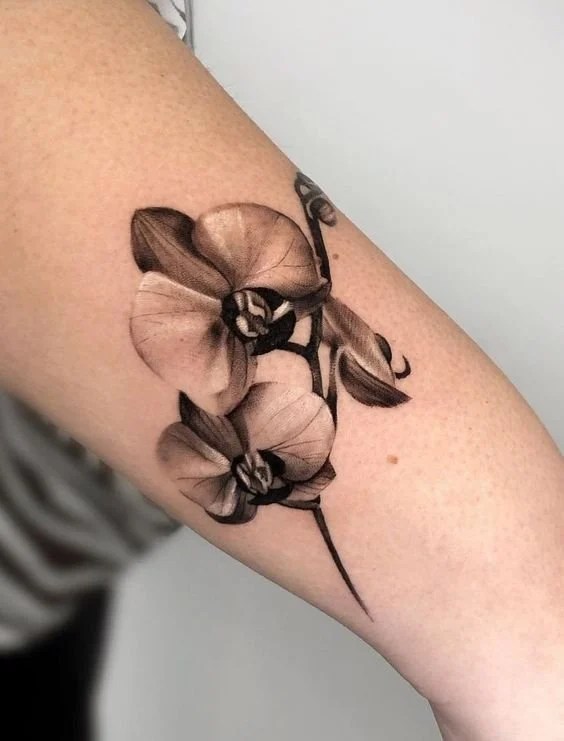


Orchid tattoos can look equally striking in black and gray or in color.
Soft shades make the composition feel light and romantic, while richer colors give it more character. The final appearance depends on the style of the design, the size of the flowers, and the chosen placement.
Dandelion
The dandelion is often associated with freedom, dreams, hope, and change.
One popular design shows dandelion seeds floating away and gradually turning into birds. This image may represent letting go of the past, beginning a new chapter, or staying true to your dreams.


Dandelion tattoos have a light and delicate appearance, making them well suited to smaller compositions.
They are often placed on the wrist, forearm, collarbone, ribs, or shoulder blade. A short phrase, date, or bird silhouettes can be added to make the design more personal.
Wildflowers
A wildflower bouquet does not always have one specific meaning. It is often chosen for its natural appearance, lightness, and sense of freedom.
Daisies, poppies, cornflowers, lavender, and other plants can all be combined in one composition. The bouquet may represent a special place, childhood memories, or a personal connection with nature.


A wildflower tattoo can be small and delicate or develop into a large bouquet filled with detail.
This type of composition works especially well on the forearm, shoulder, thigh, ribs, or along the spine.
The colors, number of flowers, and artistic style can all be adjusted to reflect the wearer’s personality and personal story.
Which Style Works Best for a Flower Tattoo?
The same flower can create a completely different impression depending on the artistic style.
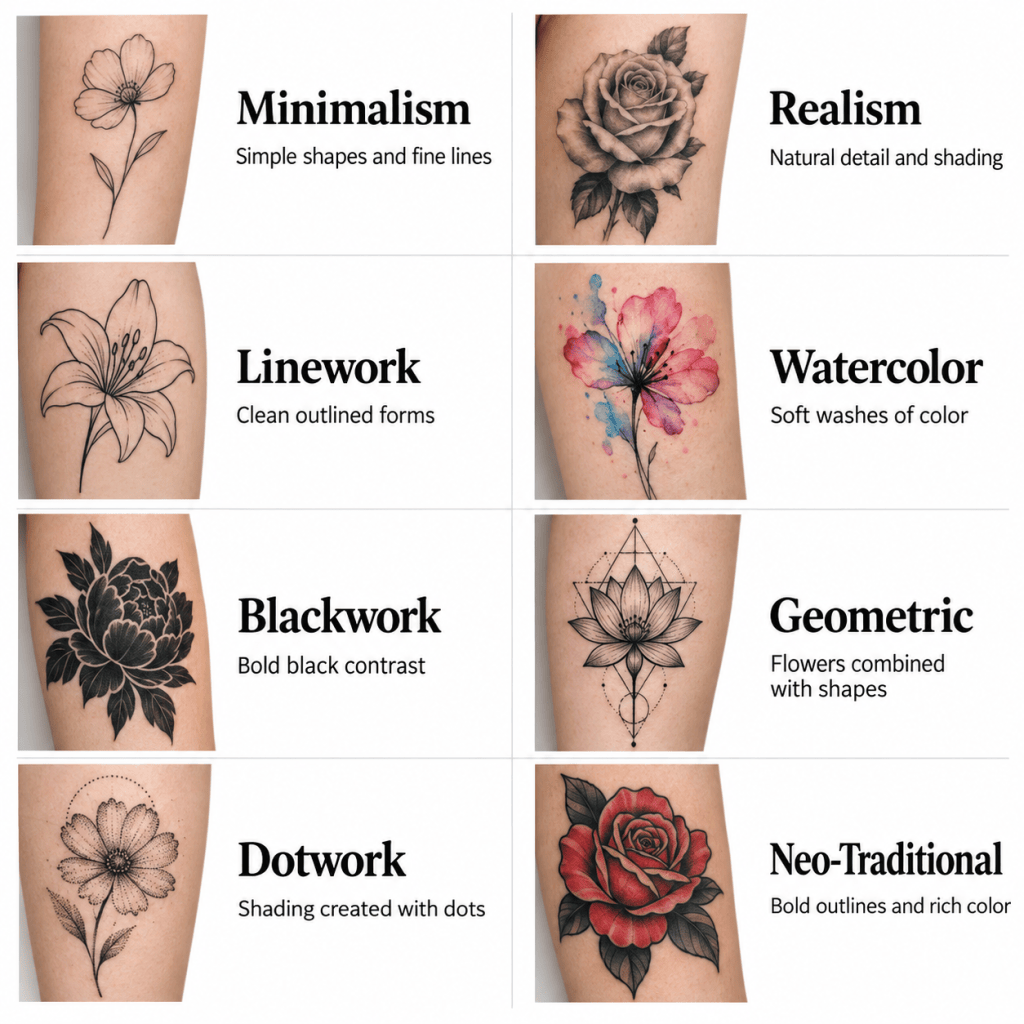
When choosing a technique, consider the amount of detail, line weight, color, tattoo size, and placement. The style should complement both the flower and the natural shape of the body.
Minimalism
Minimalist flower tattoos use simple shapes, fine lines, and very few details. They look light and understated, making them a good choice for small designs on the wrist, collarbone, ankle, or behind the ear.
Realism
Realistic flower tattoos aim to recreate the natural appearance of petals, leaves, light, and shadow. These designs are usually medium or large so that the finer details remain clearly visible.
Linework
Linework tattoos rely mainly on clean, fine lines. The flowers can still be detailed but usually avoid dense areas of ink and heavy shading. This elegant style works especially well for bouquets, branches, and long compositions.
Watercolor
Watercolor tattoos resemble paintings created with soft washes of color. They often feature gentle color transitions, bright accents, and lightly blurred edges. This style can highlight the softness and natural beauty of flowers.
Blackwork
Blackwork uses rich black ink, bold outlines, and solid dark areas. Floral designs in this style look striking, dramatic, and highly visible. Blackwork is often chosen for larger tattoos on the arm, thigh, or back.
Geometric
Geometric flower tattoos combine botanical elements with circles, triangles, diamonds, straight lines, and other shapes. This approach creates a modern composition and can make even a familiar flower feel more unusual.
Dotwork
Dotwork is a technique in which the design and shading are created with many small dots. This gives flowers depth, soft transitions, and a distinctive texture. It can work well for both small tattoos and detailed, complex compositions.
Neo-Traditional
Neo-traditional tattoos combine bold outlines, rich colors, and decorative details. Flowers in this style often feature dimensional shading, large petals, and a slightly imaginative appearance. The result is bright, eye-catching, and clearly defined.
Best Placements for Flower Tattoos

The best placement depends on the size of the design and how visible you want the tattoo to be.
Popular placements for small designs include:
- wrist;
- ankle;
- collarbone;
- behind the ear;
- inner forearm.
Larger compositions work well on the:
- shoulder;
- forearm;
- thigh;
- ribs;
- back;
- area along the spine.
Body movement should also be considered. A long flower branch can follow the natural line of the collarbone or forearm, while a full peony or rose usually looks better on a wider area.
How to Choose a Flower for Your Tattoo

Start by thinking about what you want the flower to represent. It might symbolize tenderness, strength, remembrance, change, or a love of nature.
The choice can feel even more meaningful when the flower is connected to a personal memory or an important chapter in your life.
Next, consider the tattoo style. The same floral design can look completely different in minimalism, linework, watercolor, or realism.
Placement matters too, as the shape and direction of the design should complement the chosen area of the body.
Decide whether you prefer a color tattoo or a black-and-gray design. Color can bring out the character of the flower, while black and gray creates a more understated and versatile look.
Size is also important. Small tattoos should not be overloaded with detail, while larger compositions allow the artist to define the petals, leaves, and shading more precisely.
Show your tattoo artist several references you like, but avoid asking for an exact copy of someone else’s tattoo. A skilled artist can adapt the idea to your body, preferred style, and chosen size.
Common Questions
How do I choose the right artist for a floral tattoo?
Look for an artist whose portfolio includes floral designs in the style you want. Photos of healed work are especially helpful because they show how the lines, shading, and color settle over time. You should also consider the cleanliness of the studio, the use of single-use materials, and proper hygiene practices. The FDA’s tattoo safety information explains the potential risks of infection, allergic reactions, and other complications in more detail.
Do flower tattoos hurt more than other designs?
The subject itself does not affect the pain level. Discomfort depends more on the placement, size, session length, and your individual sensitivity.
Can a large floral tattoo require several sessions?
Yes. Detailed compositions may be divided into separate sessions for outlining, shading, and color. Your artist should explain the expected process before the work begins.
Can a flower tattoo be expanded later?
Usually, yes. Leaves, stems, buds, and additional flowers can often be added later, especially when the original composition leaves enough space for expansion.
Can a floral design cover an old tattoo?
Sometimes. The new design usually needs to be larger and may require deeper colors or stronger shading. An experienced cover-up artist should assess the existing tattoo first.
Will a flower tattoo need a touch-up?
Not every tattoo needs one. A touch-up may be useful if parts of the pigment heal unevenly or lose clarity, but the artist should evaluate the tattoo only after it has fully healed.